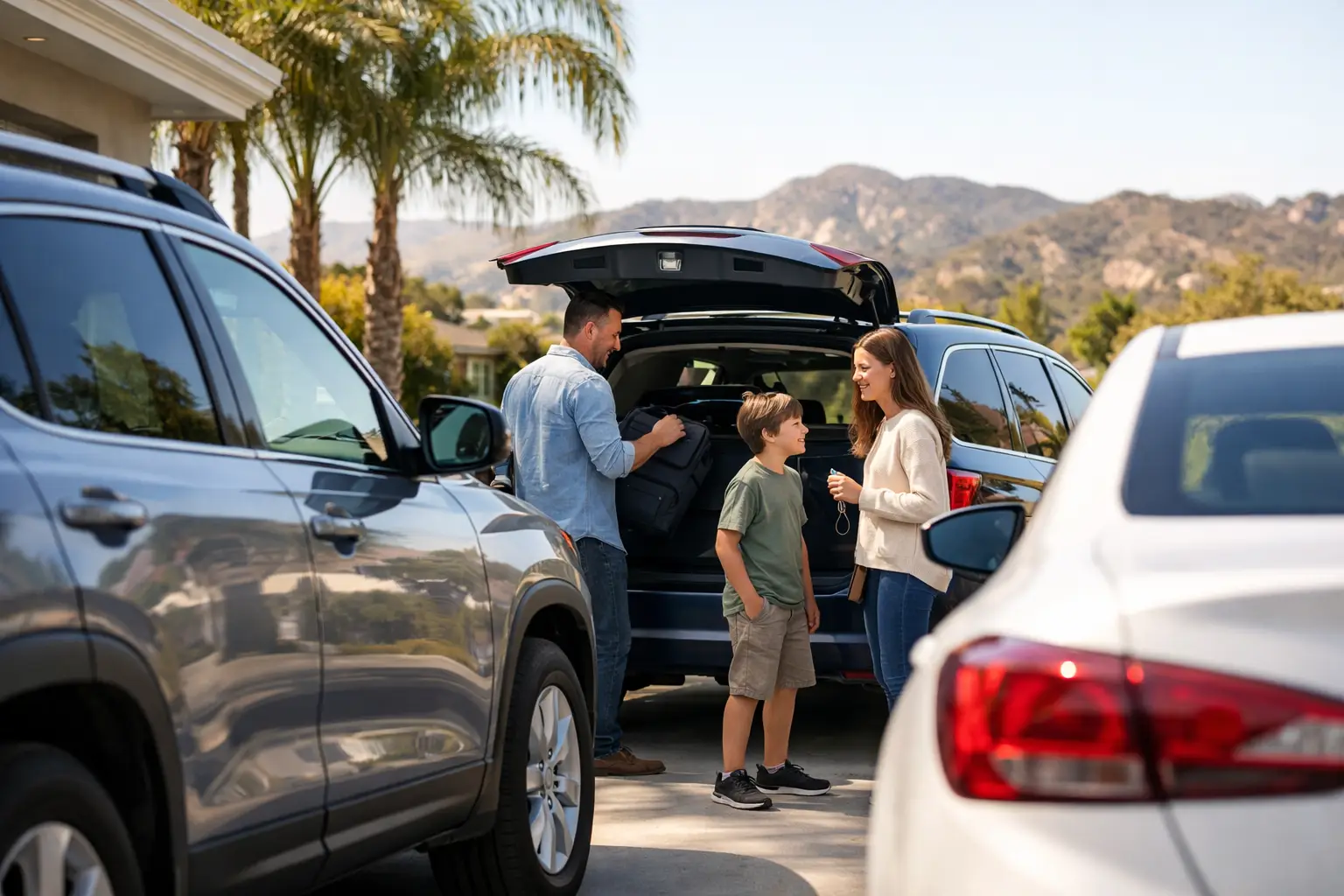
A family’s vehicles rarely serve the same purpose. One may handle a long commute from the Central Coast, another may carry teens to school and practice, and a third may be reserved for weekend trips, towing, or an older driver who uses it sparingly. Finding the best coverage for multi car families means looking beyond the number of vehicles on the policy. It means making sure each driver, vehicle, and household risk is accounted for before a claim puts that protection to the test.
A multi-car policy can simplify billing and may create discount opportunities, but it is not automatically the right answer in every situation. The strongest arrangement is the one that matches your family’s real driving habits, financial responsibilities, and comfort with risk.
Start With the Household, Not the Cars
Insurance is built around more than a vehicle identification number. For a family policy, the key questions are who lives in the household, who has access to each vehicle, how often each car is driven, and what could be lost after a serious accident.
Every licensed household member should be discussed with your insurance advisor, including young adults who only drive occasionally. Leaving out a regular driver to reduce a premium can create complications after a loss. Likewise, a child away at college, a relative temporarily living at home, or a newly licensed teen can change the household’s insurance needs.
Vehicle use matters just as much. A low-mileage sedan used for errands does not carry the same exposure as an SUV driven daily on Highway 101 or a pickup used to visit job sites. Be clear about commuting, business use, rideshare activity, towing, and recreational travel. The goal is not to buy more insurance than you need. It is to avoid discovering that a vehicle was used differently than the policy anticipated.
What the Best Coverage for Multi Car Families Includes
The right coverage mix depends on your vehicles and finances, but most California families should evaluate several protections together rather than focusing only on the monthly premium.
Liability limits that protect your future
California requires liability coverage, but the minimum required limits may not be enough after a severe injury accident. Medical bills, lost income, legal costs, and property damage can rise quickly, particularly when multiple people are injured or newer vehicles are involved.
Higher bodily injury and property damage liability limits can provide a more meaningful financial buffer. For families with a home, savings, a business, or future earnings to protect, an umbrella policy may also be worth discussing. It can extend liability protection above qualifying home and auto policy limits, offering another layer when a major claim exceeds primary coverage.
Uninsured and underinsured motorist coverage
Not every California driver carries enough insurance to pay for the harm they cause. Uninsured and underinsured motorist coverage helps protect your family if another driver has no coverage or limits that fall short of your injuries and losses.
This coverage is especially valuable for households with several drivers. More miles on the road generally mean more chances to encounter another driver who is uninsured, distracted, or carrying minimal limits. The coverage should be reviewed alongside your liability limits, not treated as an afterthought.
Collision and comprehensive for vehicles worth protecting
Collision coverage can help repair or replace your vehicle after an accident, regardless of fault. Comprehensive coverage addresses many non-collision losses, such as theft, vandalism, falling objects, fire, animal strikes, and certain weather-related damage.
For financed or leased vehicles, these coverages are often required. For an owned older vehicle, the decision is more personal. Compare the vehicle’s current value, the deductible you could comfortably pay, and the cost to replace the car if it were totaled. Dropping physical damage coverage may make sense for some older vehicles, but it should be a considered choice rather than a default cost-cutting move.
Medical payments and rental considerations
Medical payments coverage can help with medical expenses for covered occupants after an accident, subject to the policy limit. It may be useful even when your family has health insurance, depending on your deductible and out-of-pocket costs.
Rental reimbursement and roadside assistance can also be practical for a busy household. If one vehicle is in the shop, a rental benefit can keep work, school, appointments, and family responsibilities moving. These options are not essential for every car, but they can matter greatly when a vehicle is central to daily life.
Use One Policy Carefully, Not Automatically
Putting multiple vehicles with one carrier often brings convenience: one renewal date, one point of contact, and a clearer view of household coverage. Multi-car discounts may also lower the total cost. For many families, this is the most efficient approach.
Still, consolidation should not override fit. A collector vehicle, classic car, recreational vehicle, commercial-use truck, or vehicle kept at a second home may need a different type of policy or endorsement. Some families also have an adult child with a separate household and separate financial responsibilities. In that case, keeping policies separate may be cleaner and more appropriate.
The question is not simply, “Can all our cars go on one policy?” Ask whether one policy accurately reflects ownership, garaging locations, drivers, and uses. A tailored recommendation should explain both the savings available and any coverage gaps that consolidation could create.
Match Deductibles to Your Family’s Cash Flow
A deductible is the amount you pay toward a covered physical damage claim before insurance contributes. Choosing a higher deductible can lower your premium, but it also increases the amount you would need to pay after an accident, theft, or other covered loss.
For a multi-car family, deductibles should be realistic across the entire household. If two vehicles were damaged in the same event, could you manage both deductibles without straining your budget? This is particularly relevant in areas where wildfire, wind-driven debris, or falling branches can affect several vehicles at once.
You do not have to use the same deductible for every vehicle. A newer SUV may justify a lower deductible, while an older secondary car may be better suited to a higher one. What matters is that the choices make sense together.
Address Teen and Young Adult Drivers Directly
Adding a teen driver can be one of the biggest changes to a family auto policy. It can also be a time when families are tempted to focus solely on price. A better approach is to balance cost with clear expectations, appropriate limits, and the vehicle assigned to the new driver.
A newer driver in a high-performance or expensive vehicle typically creates more exposure than a newer driver in a modest, safety-focused car. Good student programs, approved driver training, telematics options, and safe-driving habits may help in some cases, but eligibility and savings vary by carrier.
It is also wise to revisit coverage when a young adult moves out, takes a car to college, buys a vehicle, or begins working full time. Insurance should follow the change, not lag behind it.
Review the Details That Can Change a Claim
The best policy is only as accurate as the information behind it. Notify your advisor when you buy or sell a vehicle, change your address, add a driver, change jobs, begin using a car for business, or significantly alter annual mileage.
Pay attention to vehicle ownership as well. A car titled to a parent but used exclusively by an adult child can raise questions that should be addressed before a loss. The same is true for vehicles stored at a vacation property or regularly driven by someone outside the immediate household.
A yearly review is a sensible baseline, but major family changes deserve a call sooner. Coverage should evolve as naturally as your family does.
Get Personal Guidance Before You Compare Premiums
Price matters, and a thoughtful insurance review should respect your budget. But the lowest quote can look very different once liability limits, deductibles, uninsured motorist coverage, and driver details are aligned. Comparing premiums without comparing protection can leave a family with false confidence.
Central Coast Insurance can help California families review all vehicles, drivers, and lifestyle needs in one conversation, then identify coverage that fits the way they actually live. Before your next renewal, gather your current declarations pages, driver information, and vehicle details. A few careful questions now can make the road ahead feel far more secure.