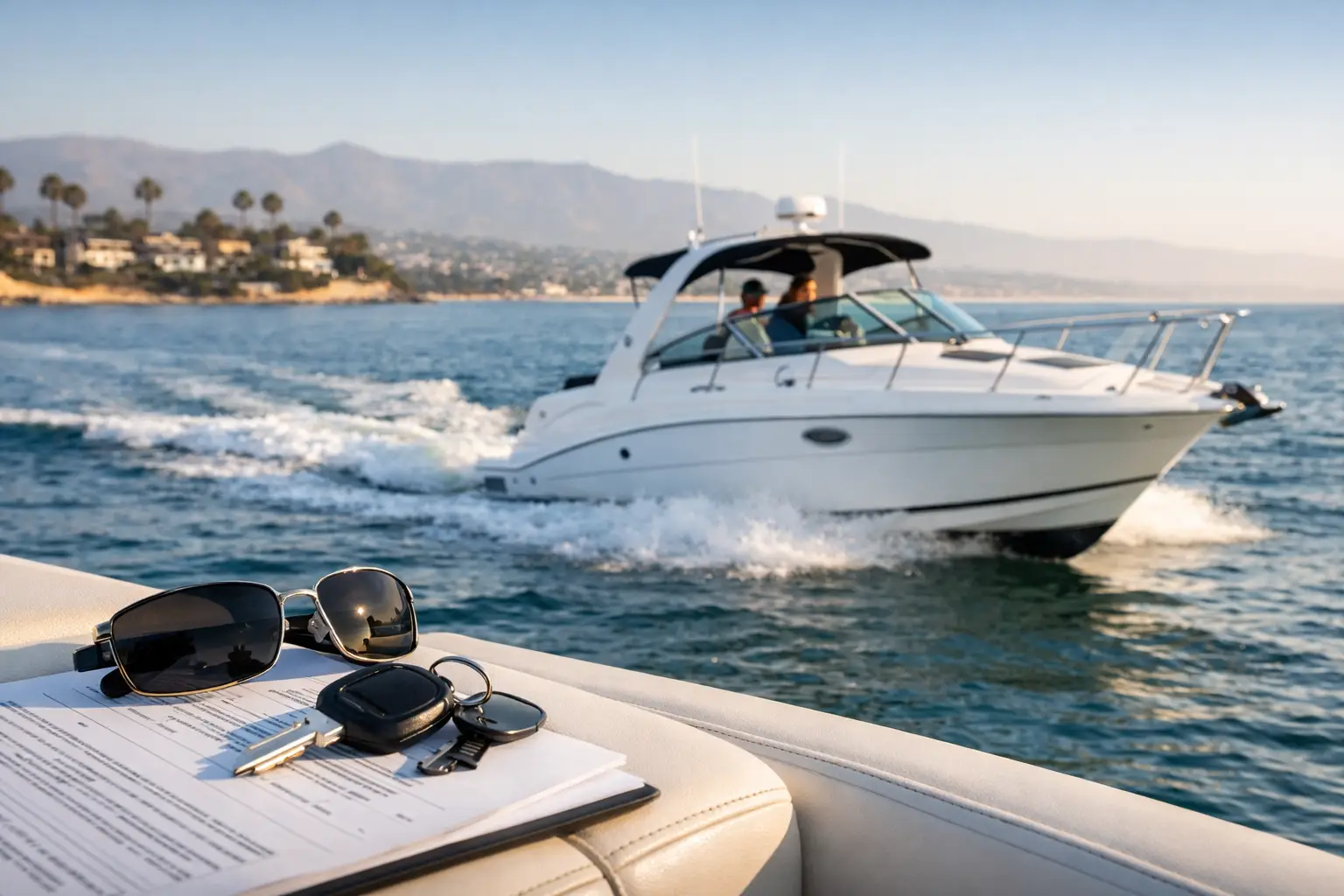
A cracked hull after a rough launch, a damaged prop in shallow water, a guest injured on board - owning a boat in California comes with real enjoyment and real exposure. That is why boat insurance California owners choose should be built around where they boat, how often they use the vessel, and what they would actually need if something goes wrong.
California is not one boating market. A policy that feels adequate for an inland lake can leave gaps for a vessel kept near the coast, moved between marinas, or used year-round in changing conditions. The right coverage starts with a clear look at your boat, your habits, and your risk.
Why boat insurance in California deserves a closer look
Boat ownership here often includes variables that out-of-state policy models do not fully account for. Coastal weather, marina requirements, theft exposure, trailering risks, and higher-value recreational equipment all affect what good protection looks like. Even if your lender or marina only asks for basic proof of insurance, that does not always mean the policy is broad enough for your situation.
California boaters also tend to use their vessels in different ways. Some take out a fishing boat on weekends. Others own wake boats, personal watercraft, sailboats, or larger cruisers that involve more equipment, more passengers, and more liability. Insurance should reflect that reality instead of relying on a generic package.
What boat insurance California policies usually cover
Most policies begin with physical damage and liability, but the details matter. Physical damage coverage can help pay to repair or replace your boat after a covered loss such as collision, fire, vandalism, or certain weather-related incidents. Liability coverage helps if you cause injury to another person or damage someone else’s property while operating your boat.
Medical payments coverage may help with injuries to you or your passengers regardless of fault, up to the policy limit. Uninsured or underinsured boater coverage can also be valuable if another operator causes damage or injury and does not carry enough insurance. For many owners, these protections are the difference between a manageable claim and a major out-of-pocket expense.
Some policies also extend to equipment, anchors, electronics, trailers, and temporary repairs. If you store safety gear, fishing equipment, or water sports accessories on board, it is worth checking whether those items are included or need separate limits.
Hull coverage is not one-size-fits-all
One of the biggest decisions is how the insurer settles a total loss. Some policies use actual cash value, which factors in depreciation. Others offer agreed value, which pays a pre-determined amount if the boat is totaled. Neither option is automatically better in every case.
If you own an older boat and want to keep premiums more manageable, actual cash value may be reasonable. If you own a newer or higher-value vessel and want more certainty after a serious loss, agreed value often offers stronger protection. The right choice depends on your budget, the vessel’s condition, and how much financial risk you are willing to retain.
Liability limits matter more than many owners think
Liability claims can become expensive quickly, especially when injuries are involved. A policy with minimal limits may satisfy a basic requirement while still leaving you exposed. If you regularly carry guests, dock in busy marinas, or operate in higher-traffic waters, stronger liability limits deserve serious consideration.
For some owners, umbrella coverage may also make sense as part of a broader personal insurance strategy. That is especially true if you have significant assets to protect.
California-specific factors that can change your coverage needs
The state’s boating environment creates a few coverage questions that should not be glossed over. Saltwater use can affect wear, corrosion, and maintenance concerns. Coastal storage and marina mooring may create different exposures than garage or inland storage. Trailering a boat on California highways introduces a separate layer of risk before the vessel even touches the water.
Seasonality is another point people often underestimate. In some parts of the country, boat use is highly limited by climate. In California, many owners use their boats across a much longer season, which can increase both exposure and the need for consistent protection.
Wildfire can also affect boats stored on land, particularly in certain inland and foothill areas. Theft and vandalism may be more relevant depending on where the vessel is kept and how frequently it is transported. A good policy review considers the full picture, not just what happens while the boat is underway.
How to choose the right boat insurance in California
Start with the basics, but do not stop there. The boat’s make, model, age, horsepower, and value all matter. So does where it is used, where it is stored, whether it is financed, and whether other people operate it.
Then look at the practical gaps. Do you need coverage for your trailer? What about navigation equipment, fishing gear, or towing assistance? Does your policy include wreck removal or fuel spill liability? These are not fringe details. They can become central very quickly after an accident.
It also helps to think beyond price. A lower premium may come with narrower loss settlement terms, higher deductibles, reduced navigation territory, or limitations on accessories. Good insurance is not just a quote. It is a policy that holds up when the loss is inconvenient, expensive, and time-sensitive.
Questions worth asking before you bind coverage
Ask how the boat is valued in a total loss, what exclusions apply, and whether there are seasonal lay-up provisions. Confirm whether named storms, theft, or mechanical breakdown are treated differently. If your boat is used for watersports, fishing charters, or any business-related purpose, disclose that clearly. Personal-use policies may not respond the way you expect if the use changes.
You should also ask whether your liability limits are high enough for your assets and whether your boating policy fits properly with your home, auto, and umbrella coverage. That broader view often leads to better protection than treating the boat as a stand-alone purchase.
Common mistakes boat owners make
One common mistake is assuming a homeowners policy will cover the boat in a meaningful way. Some homeowners policies may offer limited protection for very small boats or certain related items, but that is rarely enough for a dedicated vessel with real liability exposure.
Another is choosing coverage based only on the marina requirement or the lender’s minimums. Those benchmarks are a starting point, not a full risk strategy. A third mistake is forgetting how claims can happen off the water - during transport, while in storage, or when someone is boarding and gets hurt at the dock.
Owners also sometimes underinsure newer accessories and upgrades. If you have invested in navigation systems, sound systems, custom equipment, or specialized gear, make sure your limits still match the current value of what is on the boat.
Why local guidance makes a difference
Boat insurance is more useful when the person helping you understands California conditions, not just insurance forms. Coastal communities have their own storage issues, weather patterns, marina expectations, and recreational habits. Advice that fits a generic national profile may miss what matters locally.
That is where a California-focused agency can add real value. Instead of pushing a standard package, the conversation can center on how and where you use your boat, what you need to protect, and how this policy fits with the rest of your insurance. For many owners, that clarity is just as important as the premium itself.
At Central Coast Insurance, that kind of conversation is the point. Coverage should feel tailored, understandable, and aligned with real life on the California coast - not stitched together from assumptions.
When it is time to review your policy
Even a solid policy should be revisited when things change. Buying a new boat, adding equipment, moving to a different marina, changing storage arrangements, or letting additional operators use the vessel can all affect your insurance needs. The same is true if your asset profile has grown and your liability exposure looks different than it did a few years ago.
The best time to ask questions is before a claim. A thoughtful review now can help you avoid expensive surprises later, and it can give you more confidence every time you leave the dock.
If your current policy feels generic, thin, or hard to understand, that is usually a sign it is worth a closer look. The right boat coverage should protect more than the vessel itself - it should protect the time, investment, and peace of mind that come with owning it.