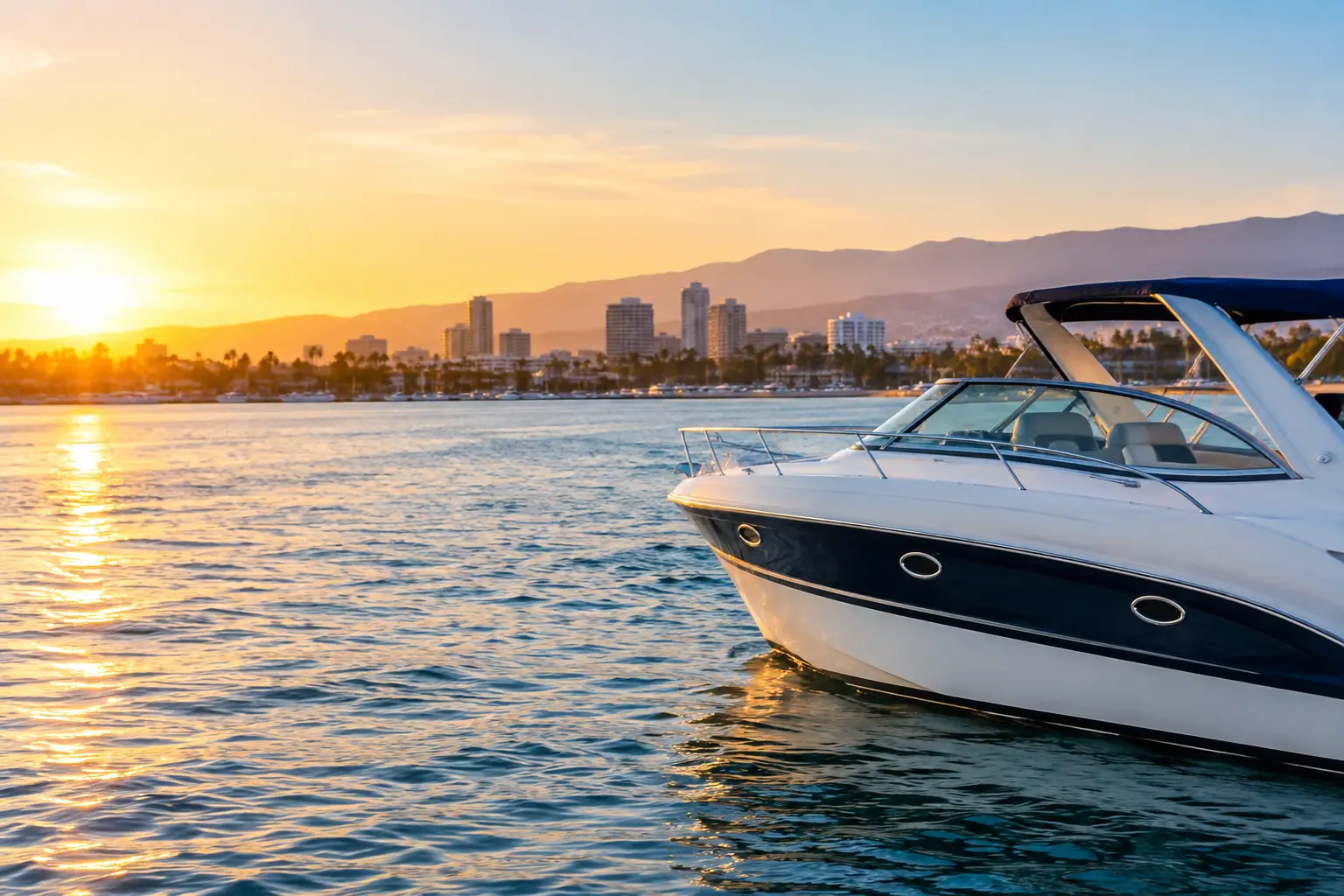
A calm morning leaving Morro Bay, a family afternoon near Pismo Beach, or a fishing trip out of Santa Barbara can change quickly when a mechanical failure, submerged object, or unexpected weather moves in. This boat insurance guide is designed to help California boat owners protect the vessel, the people aboard, and the investment behind every day on the water.
Boat insurance is not just about meeting marina requirements or satisfying a lender. It is a practical plan for the moments when a damaged hull, injured passenger, stolen equipment, or disabled boat could otherwise become a major out-of-pocket expense. The right policy reflects how and where you boat, not just the purchase price of your vessel.
What Boat Insurance Can Protect
A boat policy generally combines property coverage with liability protection. Property coverage can help repair or replace the boat after a covered loss, while liability coverage can help if you are responsible for injury or damage to someone else’s property.
Most owners should begin by looking beyond the boat itself. A useful policy may extend to permanently attached equipment, such as navigation systems, anchors, safety gear, and trailers. It can also address the practical disruptions that follow an accident, including emergency towing, wreck removal, or fuel-spill liability. The details and limits matter, especially for coastal owners who may travel farther from a launch ramp or harbor.
Coverage varies by carrier and policy, but a well-designed boat policy often includes protection for:
- Physical damage to the hull, motor, and attached equipment after covered events such as collision, theft, fire, vandalism, or certain weather losses.
- Liability for injuries to guests, swimmers, or other boaters, as well as damage to docks, vessels, or other property.
- Medical payments coverage for reasonable medical expenses after a covered boating accident, regardless of who is at fault.
- Uninsured or underinsured boater coverage, which may help when another boater causes an injury but does not have enough insurance.
- Towing and assistance coverage for breakdowns, dead batteries, grounding, or other situations that leave you stranded.
A policy is not a substitute for safe operation, proper maintenance, or required safety equipment. It is the financial backstop that gives you more room to respond when the unexpected happens.
Why a Homeowners Policy May Not Be Enough
Many homeowners policies offer limited coverage for small watercraft, but those limits are often narrow. They may apply only to boats of a certain size or horsepower, cover a limited set of losses, and provide far less liability protection than a dedicated boat policy.
That gap becomes more noticeable with a larger boat, high-value engine, personal watercraft, trailer, or specialized gear. A homeowners policy may also be less suited to risks such as on-water towing, wreck removal, marine environmental damage, and navigation away from your home area.
For California coastal residents, relying on a homeowners policy alone can leave too much to chance. Before launching for the season, review what the policy actually covers, where it applies, and whether its liability limit would protect your savings after a serious accident.
Start With How You Use Your Boat
The best coverage choice depends on your vessel and your habits. A 19-foot fishing boat used nearshore on occasional weekends has a different risk profile than a sailboat kept in a marina, a wake boat used on inland lakes, or a cruiser that travels along the California coast.
When reviewing options, consider where the boat is stored, launched, and operated. Ask whether the policy has a navigation territory, which defines the geographic area where coverage applies. If you trailer your boat from the Central Coast to Lake Nacimiento, the Sacramento-San Joaquin Delta, San Diego, or out of state, the policy should match those plans.
Also consider who operates the boat. A policy may allow permissive operators, but experience, age, and boating education can affect eligibility and pricing. If adult children, friends, or employees may use the vessel, make that part of the conversation rather than assuming every operator is covered in the same way.
Commercial or business use requires special attention. Taking clients out, using a boat for charters, transporting goods, or renting it to others can fall outside a standard recreational policy. The same is true for certain performance modifications, racing, or use in organized events. A quick disclosure before purchasing coverage is far easier than discovering a limitation after a claim.
Choose a Value Settlement You Can Live With
One of the most consequential decisions in a boat policy is how the insurer values your vessel after a covered total loss. Two common approaches are agreed value and actual cash value.
With agreed value coverage, you and the insurer establish the boat’s insured value when the policy is written. If the boat is a covered total loss, the settlement is generally based on that agreed amount, subject to policy terms. This can offer more certainty for newer, well-maintained, or upgraded vessels.
Actual cash value coverage accounts for depreciation. It may have a lower premium, but a total-loss payment can be less than you expect if the boat, motor, or equipment has lost value over time. Neither approach is automatically right. The trade-off is usually a clearer settlement basis versus lower upfront cost.
Ask how the policy handles partial losses as well. Some policies may replace certain items at replacement cost while others apply depreciation. Electronics, canvas, trailers, and outboard motors can each have separate terms. Keep receipts, photos, serial numbers, and maintenance records for major equipment. These simple records can make a claim much easier to document.
Set Liability Limits for Real-World Exposure
A low liability limit can look appealing on a quote, but boating accidents can involve significant medical costs, property damage, legal expenses, and lost income. The financial impact may extend well beyond a damaged rail or a minor collision.
Choose limits with your overall assets and lifestyle in mind. Owners with a home, savings, business interests, or a family who depends on their income often benefit from discussing higher limits. A personal umbrella policy may also provide an added layer of liability protection, but only when the underlying boat policy meets the umbrella carrier’s requirements.
Fuel spills deserve particular attention. Even a relatively small spill can trigger cleanup obligations and create costly liability. Wreck removal is another item that can be overlooked until a boat is damaged, sunk, or creates a navigation hazard. Confirm whether these coverages are included and whether their limits sit inside or outside the main liability limit.
Read the Exclusions Before You Need the Policy
Insurance earns trust when expectations are clear. Every boat policy has exclusions, deductibles, conditions, and limits. Reviewing them up front helps prevent unwelcome surprises.
Common areas to ask about include gradual wear and tear, mechanical breakdown, corrosion, freezing, insects or rodents, intentional damage, and improper maintenance. Damage resulting from a failed part may be treated differently than the cost to replace the failed part itself. For example, a policy may not cover a worn hose, but it may cover certain resulting damage if the hose failure causes a covered loss. The answer depends on the specific policy language.
Weather and storage conditions also matter. Coastal salt air, winter rain, sun exposure, and marina conditions place real demands on a vessel. Ask what is required for lay-up, storm preparation, haul-out, or off-season storage. If your boat is kept in a slip, verify any insurance requirements set by the marina or harbor.
Deductibles deserve the same attention. A higher deductible can reduce premium costs, but it means accepting more of the expense after a claim. The right amount is one you could comfortably pay while still getting meaningful value from the policy.
Prepare for a Better Claim Experience
The moment after an accident is not the time to search for documents or guess at next steps. Keep current registration, insurance information, emergency contacts, and an inventory of valuable equipment accessible. Photographs of the boat from several angles, including the engine and electronics, provide a useful baseline.
If an incident occurs, prioritize safety and get medical help when needed. Follow Coast Guard and local reporting requirements, notify the appropriate authorities, and document the scene when it is safe to do so. Avoid authorizing major repairs before speaking with the insurer, except for reasonable emergency measures needed to prevent additional damage.
A local, advisory-led agency can be especially valuable here. Central Coast Insurance can help boat owners review how their policy responds before a problem occurs and offer personal guidance when a claim disrupts a planned weekend or a full season on the water.
Review Coverage Before the Next Launch
Boat ownership changes. You may add a new motor, upgrade electronics, move the boat to a different marina, buy a trailer, or begin taking longer coastal trips. Each change can affect whether your existing limits and territory still fit.
Review your coverage at least once a year and after any major purchase, move, or change in use. Bring questions about the boat, trailer, equipment, passengers, and destinations to the conversation. A thoughtful policy review can help ensure that the freedom of being on the water is supported by protection that still makes sense when conditions change.