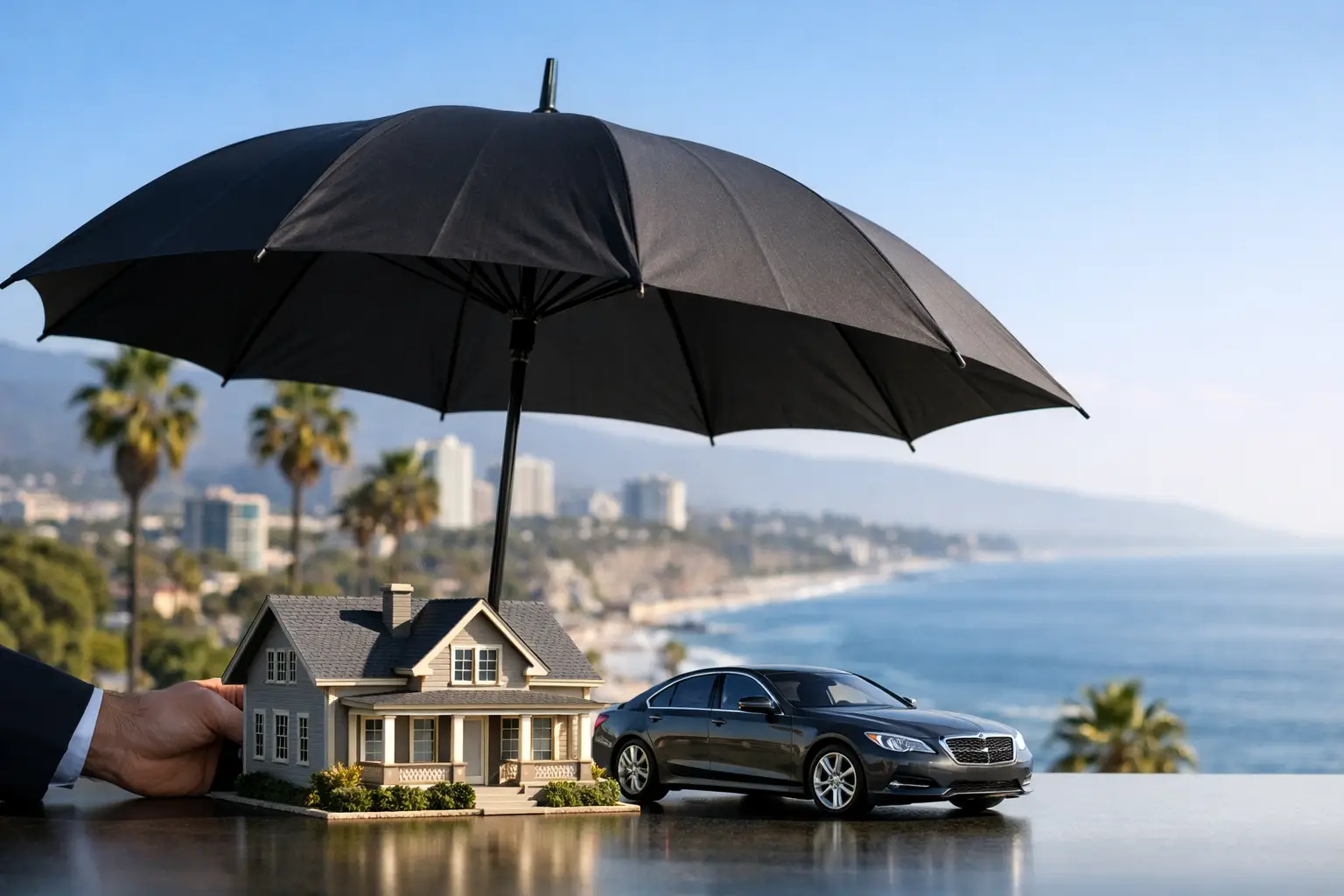
A serious car accident. A guest injured at your home. A teenage driver on your policy. For many Californians, that is the moment the question shifts from theoretical to personal: do I need umbrella insurance?
If you have assets to protect, a higher liability profile, or simply want more breathing room beyond the limits of your home, auto, or other policies, umbrella insurance can be a smart layer of protection. It is not for everyone. But for the right household or business owner, it can help shield savings, future income, and long-term financial plans when a major liability claim goes beyond standard policy limits.
What umbrella insurance actually does
Umbrella insurance is extra liability coverage that sits on top of certain underlying policies, typically auto, homeowners, renters, and sometimes recreational or landlord coverage. If you are found legally responsible for injuries, property damage, or certain personal liability claims and your primary policy limit is exhausted, an umbrella policy may step in.
That matters because liability claims can escalate quickly. Medical costs, legal defense, lost wages, and settlements can exceed the limits on an auto or home policy faster than many people expect. An umbrella policy is designed for those larger, less frequent losses that can have a lasting financial impact.
It does not replace your home or auto insurance. It extends liability protection above them, subject to policy terms and conditions. Think of it as protection for what you have built, not just what you insure.
Do I need umbrella insurance if I already have home and auto coverage?
Maybe. Standard home and auto policies include liability coverage, but those limits are not always enough for a severe claim. If you own a home, have savings, investment accounts, retirement goals, or income you want to protect, umbrella coverage deserves a closer look.
In California, that question can be even more relevant. Property values are high in many communities. Rebuilding wealth after a major lawsuit is not simple. And if you live an active lifestyle with guests at your home, teen drivers, recreational vehicles, rental property, or a small business exposure that touches your personal life, your risk profile may be higher than it looks on paper.
Umbrella insurance is often less about how likely a claim is and more about how expensive the wrong claim could become.
Who should seriously consider umbrella insurance?
Umbrella coverage tends to make the most sense for people with meaningful assets, visible exposure, or a greater chance of being named in a lawsuit. That includes homeowners, high-net-worth families, landlords, households with inexperienced drivers, and people who host often.
It can also make sense if you own a boat, motorcycle, RV, or other recreational assets. The more moving parts in your lifestyle, the more valuable a broader liability cushion can be.
Business owners should pay special attention here. Even if your business carries its own liability coverage, personal umbrella insurance may still matter for exposures outside the business. Your personal and professional lives are not always as separate as they seem, especially if you sit on boards, entertain clients socially, or own significant personal assets.
A few common signs that umbrella insurance may be worth discussing include:
- You own a home or second home
- You have teen drivers or multiple drivers in the household
- You regularly host guests at your property
- You own rental property or vacant land
- You have substantial savings or future income to protect
- You have lifestyle assets such as boats, RVs, or off-road vehicles
None of these automatically means you need a policy. They are simply indicators that your liability exposure may be broader than a basic policy setup accounts for.
What umbrella insurance typically covers
Most umbrella policies are built to provide added liability protection for bodily injury and property damage claims once an underlying policy limit has been used up. They may also help with legal defense costs, depending on the policy.
In practical terms, that could include a major auto accident where injuries exceed your car insurance liability limit, or a serious injury on your property that leads to a lawsuit. Some policies may also respond to personal injury claims such as libel, slander, or defamation, which can surprise people who assume umbrella coverage is only for physical accidents.
Coverage details vary, which is why policy design matters. Not every umbrella policy works the same way, and not every underlying risk is automatically included.
What umbrella insurance usually does not cover
Umbrella insurance is broad, but it is not unlimited. It generally does not cover your own injuries, damage to your own property, or liabilities tied to excluded activities. Intentional acts, criminal conduct, and many business-related claims are typically outside the scope unless specifically addressed elsewhere.
That distinction matters for California households and business owners who want a single clear answer. Umbrella coverage is valuable, but only when it is coordinated correctly with the policies beneath it. If there are gaps in the underlying coverage, the umbrella may not respond the way you expect.
This is one reason a personalized review is more helpful than an online guess. The right recommendation depends on what you own, how you live, and how your policies are structured together.
How much umbrella insurance is enough?
There is no universal number. A common starting point is to align coverage with the assets you want to help protect, while also considering future earnings and overall exposure. Someone with a modest asset base and simple insurance needs may choose a lower limit. A homeowner with significant equity, multiple vehicles, teen drivers, or rental property may need more.
It is also worth remembering that lawsuits do not only target what you have today. They can also affect wages and future financial plans. That is why umbrella decisions should be based on both current net worth and what is at stake over time.
For many people, the cost of increasing liability protection through an umbrella policy is reasonable compared with the potential financial damage of a severe claim. The exact premium depends on your household, risk factors, and underlying policy setup.
Do I need umbrella insurance in California coastal communities?
Often, yes, it is especially worth evaluating. Coastal living can come with a higher concentration of valuable property, active households, visiting guests, and lifestyle exposures. Whether that means a home with frequent entertaining, a second property, a boat, or simply higher asset values, the liability side of your insurance picture can be larger than expected.
California also tends to amplify the stakes. Medical care is expensive. Legal claims can be significant. And in communities where home equity and earnings are strong, there may be more to protect.
That does not mean every coastal resident needs umbrella insurance. It means the margin for being underinsured can be more costly.
The trade-off: when umbrella insurance may not be necessary
There are cases where umbrella insurance may be less urgent. If you rent, have limited assets, no vehicle, minimal exposure, and a relatively simple financial picture, the need may be lower. Even then, it is not always a no. Future earnings can still matter, and some people value the added legal protection and peace of mind.
The real question is not whether umbrella insurance is universally necessary. It is whether a large liability claim would create a financial setback that your current policy limits cannot absorb.
If the answer is yes, or even maybe, it is worth exploring.
How to decide without overbuying
A good umbrella decision starts with a review of your underlying policies and liability limits. From there, look at your home equity, savings, income, household drivers, property exposures, and how often other people interact with your assets.
This is not about buying the biggest number available. It is about matching protection to real-world exposure. A tailored approach usually works better than a one-size-fits-all recommendation, especially in California where personal risk profiles can vary so much from one household to the next.
At Central Coast Insurance, that kind of review is exactly where the conversation should begin. The goal is not to complicate your coverage. It is to make sure the protection around your life is strong enough for the risks that come with it.
Umbrella insurance is rarely the policy people ask for first. More often, it becomes the coverage they are grateful to have considered before life got expensive.