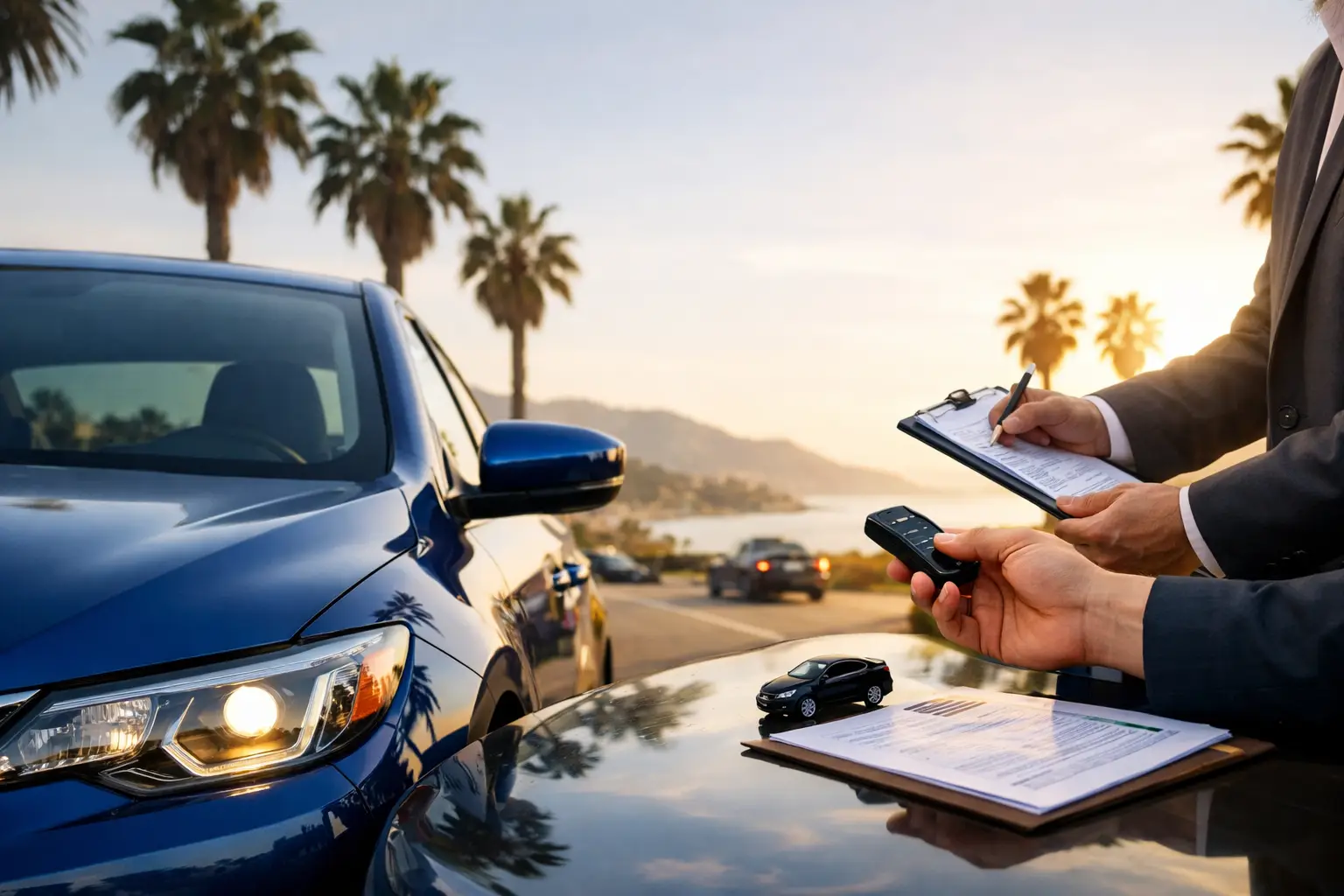
A lot of California drivers ask for full coverage car insurance California when what they really want is peace of mind. They want to know that if a crash, theft, wildfire-related loss, or uninsured driver disrupts their week, their policy will do more than meet the legal minimum. That instinct is usually the right one, but the phrase itself can be misleading.
What full coverage car insurance in California really means
There is no single policy called full coverage under California law. In most cases, people use the term to describe a policy that combines the state-required liability insurance with collision and comprehensive coverage. Depending on the driver, it may also include uninsured or underinsured motorist protection, medical payments, roadside help, or rental reimbursement.
That distinction matters because two drivers can both say they have full coverage and still have very different protection. One may have strong liability limits and a reasonable deductible. Another may carry the bare minimum liability limits with collision and comprehensive added on. Both technically sound covered, but one is much better positioned after a serious loss.
California minimum coverage is a starting point, not a finish line
California requires drivers to carry liability insurance, but state minimums are often not enough to protect savings, income, or future assets after a major accident. Liability coverage helps pay for injuries or property damage you cause to others. It does not pay to repair your own vehicle unless you add physical damage coverage.
That is where many coverage gaps begin. A driver may meet the legal requirement and still face large out-of-pocket costs if their own car is damaged, stolen, vandalized, or totaled. For financed and newer vehicles in particular, minimum coverage can leave too much exposed.
What a full coverage car insurance California policy usually includes
Liability coverage
Liability is the foundation of any auto policy. It helps cover bodily injury and property damage if you are at fault in an accident. Higher limits can make a meaningful difference if another driver, passenger, or vehicle owner suffers major losses.
For many California households, choosing higher liability limits is one of the smartest parts of building a fuller policy. Medical bills and repair costs rise quickly, especially in busy traffic corridors and higher-cost coastal areas.
Collision coverage
Collision helps pay to repair or replace your vehicle after an accident, regardless of fault, subject to your deductible and policy terms. If you hit another car, a pole, a guardrail, or roll your vehicle, this is the part of the policy that usually responds.
If your car has significant value or you could not comfortably replace it out of pocket, collision is worth serious consideration. Lenders also typically require it on financed vehicles.
Comprehensive coverage
Comprehensive covers many non-collision losses such as theft, vandalism, fire, falling objects, animal strikes, and certain weather-related damage. In California, this coverage can be especially relevant for drivers dealing with wildfire debris, broken glass, or theft concerns.
People sometimes overlook comprehensive because they associate car insurance mainly with crashes. In reality, some of the most disruptive claims come from events that happen while the vehicle is parked.
Uninsured and underinsured motorist coverage
This coverage can help when the other driver has no insurance or not enough insurance to pay for the damage they caused. That is an important issue in any state where not every driver on the road is adequately insured.
Even a careful driver cannot control who runs a red light or rear-ends them in traffic. Adding this protection can strengthen a policy in a way many drivers appreciate only after a claim.
How much full coverage should you carry?
The right answer depends on your vehicle, your budget, and what you would be risking after a loss. If you drive an older car with low market value, paying for collision and comprehensive may not make sense forever. If you drive a newer SUV, commute daily, or rely on your vehicle for work and family routines, stronger coverage is usually easier to justify.
Think beyond the car itself. Liability limits should reflect what you are protecting financially, not just what the state allows. If you own a home, run a business, or have savings you want to preserve, low liability limits can create unnecessary exposure.
Deductibles also shape the decision. A higher deductible can lower your premium, but it also means more out of pocket when you file a claim. The best deductible is one you could actually afford on a bad day, not just one that looks good on a quote.
What affects the cost of full coverage car insurance in California
Price is never based on one factor alone. Insurers generally look at your driving record, age, ZIP code, vehicle type, annual mileage, prior insurance history, and selected limits. The difference between one car and another can be substantial, even when they seem similar on paper.
In California, where repair costs, traffic density, theft patterns, and regional risk conditions vary widely, local context matters. Coastal communities, urban corridors, and inland areas can produce very different rates and coverage concerns. That is one reason a one-size-fits-all quote often misses the mark.
Your premium will usually be higher with stronger liability limits, lower deductibles, and more optional protections. Still, cheaper is not always better. A lower premium may simply mean you are carrying more risk yourself.
When full coverage makes the most sense
Fuller protection is often a smart fit if your vehicle is financed or leased, newer, expensive to repair, or central to daily life. It can also make sense if replacing your vehicle quickly would be difficult, or if you drive in heavy traffic where accident frequency is higher.
For California families, dependable coverage is often less about checking a box and more about keeping life moving. A good policy can help you avoid major disruptions after an accident, theft, or weather-related event.
There are times when scaling back may be reasonable. If a vehicle is older and its actual cash value is low, paying for collision and comprehensive year after year may offer less value. The key is reviewing that decision intentionally rather than letting an outdated policy ride.
Common mistakes California drivers make
One common mistake is assuming full coverage means everything is covered. Every policy has limits, deductibles, exclusions, and conditions. Rental reimbursement, OEM parts preferences, rideshare use, and custom equipment are examples of issues that may require closer review.
Another mistake is choosing low liability limits just to keep the monthly payment down. That can feel manageable until a serious accident creates damages far beyond the policy cap.
A third mistake is focusing only on price. Cost matters, but so does claims support, policy fit, and whether the coverage reflects how you actually use your car. For drivers who want advice tailored to local conditions, working with a California-focused agency such as Central Coast Insurance can make the decision clearer.
How to choose the right policy with confidence
Start with the value of your vehicle and whether you could replace it without creating financial strain. Then look at your liability exposure. If you have assets, regular passengers, or a long commute, stronger limits deserve attention.
Next, review practical add-ons that support your routine. Rental reimbursement can matter if missing a car for a week would disrupt work or school. Roadside assistance may help if you drive longer distances. Uninsured motorist coverage is often worth discussing in any market where not every driver is fully protected.
Finally, ask better questions when comparing quotes. Ask what is included, what is excluded, what the deductibles are, and how claims are handled. A quote that looks similar at first glance can be very different where it counts.
The best auto policy is not the cheapest one or the broadest one on paper. It is the one that fits your car, your risks, and the life you are protecting every time you turn the key.