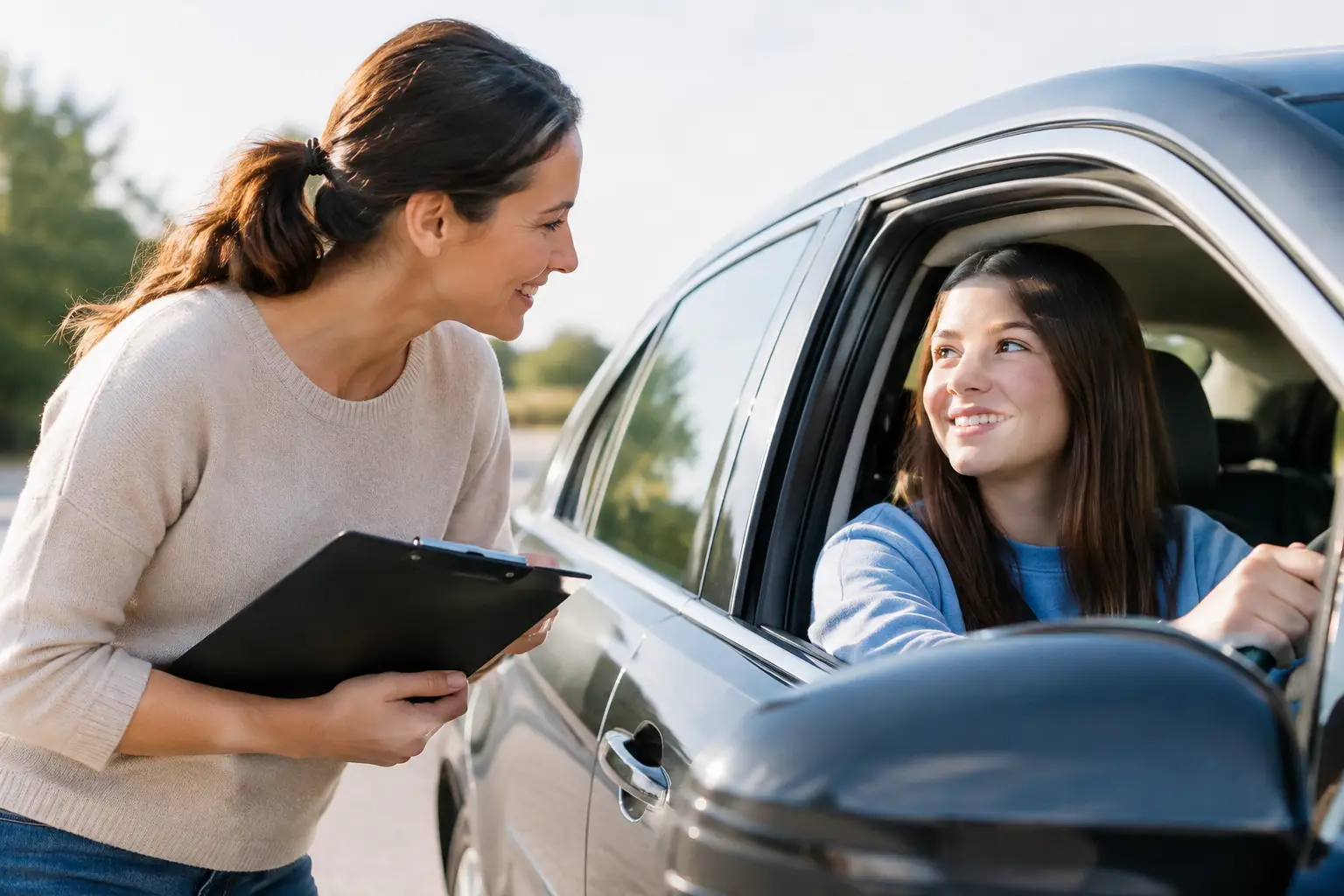
A teen’s first set of keys is a milestone that can change a household overnight. There are new schedules, new independence, and a new level of financial responsibility for parents. Learning how to insure teen drivers is not just about finding the lowest premium. It is about making sure one distracted moment, parking-lot scrape, or serious accident does not put your family’s savings, home, or future plans at risk.
For California families, the right approach starts with an honest conversation about how often your teen will drive, what vehicle they will use, and the protection your household would need after a major claim. A personalized policy review can make those decisions clearer before your teen heads out on their own.
Add your teen at the right time
In most cases, you should notify your insurance agent or carrier when your teen receives a learner’s permit. Some insurers do not require a permitted driver to be formally rated until they are licensed, while others want the driver listed earlier. The rule depends on the insurer and the policy, so it is better to ask than assume.
Once your teen earns a provisional or unrestricted license, they generally need to be added as a household driver. Leaving out a licensed teen who lives at home can create problems if there is a claim. An insurer may adjust the premium, limit coverage in certain circumstances, or question whether the application accurately reflected everyone who regularly had access to the vehicles.
If your teen is away at college and does not take a car, tell your agent that too. Many insurers offer a lower rate when a student lives far from home and drives only occasionally during visits. The details matter: a teen who keeps a car at school needs a different conversation from one who only borrows the family vehicle over winter break.
How to insure teen drivers with the right coverage
California requires drivers to carry auto liability insurance, but state minimums are not necessarily enough for a family with assets to protect. Liability coverage helps pay for injuries and property damage you cause to others. A serious crash can exceed a basic policy limit quickly, particularly when multiple people are injured or newer vehicles are involved.
Consider the protection in layers. Higher bodily injury and property damage liability limits can provide a more meaningful financial cushion. Uninsured and underinsured motorist coverage is also worth close attention because not every California driver has adequate insurance. It can help protect you and your teen if another driver causes an accident but lacks enough coverage to pay for injuries.
For a vehicle your teen drives, collision and comprehensive coverage may be appropriate if replacing or repairing it would strain the family budget. Collision helps after a crash with another vehicle or object. Comprehensive addresses many non-collision losses, such as theft, vandalism, fire, or storm damage. Along the Central Coast, parking near busy beach areas, commuting on Highway 1, and exposure to weather can all shape the risks a vehicle faces.
Medical payments coverage can help with certain medical expenses for covered occupants, regardless of fault, subject to the policy terms. Roadside assistance and rental reimbursement are smaller choices, but they can be valuable for a new driver who may be more likely to need a tow or temporary transportation after a covered loss.
Match the vehicle to the driver
The vehicle can affect both safety and cost. A modest, well-maintained sedan or SUV with strong safety ratings, modern airbags, and driver-assistance features is often a more sensible first vehicle than a high-performance model. Expensive repairs, powerful engines, theft rates, and sports-car classifications can all raise premiums.
That does not mean the cheapest used car is automatically the best choice. Older vehicles may lack current safety features, and dropping physical damage coverage only makes sense when you could comfortably absorb the loss of that vehicle. The best fit is usually dependable transportation that balances safety, value, and the way your teen will actually use it.
Expect the premium to rise, then look for smart savings
Insuring a teen costs more because inexperienced drivers are statistically more likely to have accidents. The increase can feel significant, especially when a teen is assigned to a newer vehicle or a vehicle with higher repair costs. Still, the answer is not to cut liability protection to chase a lower price.
Start by asking about discounts that fit your family’s situation. Good student discounts may be available for teens who meet academic requirements. A driver training discount may apply after an approved course, and some insurers offer telematics programs that use driving behavior to influence pricing. A student-away-at-school discount can also help when the teen does not have regular access to a car.
A higher deductible may reduce the cost of collision and comprehensive coverage, but it shifts more expense to your family after a loss. Choose a deductible you could realistically pay without delay. It is also wise to compare the total household policy rather than focusing only on the line item assigned to your teen. Bundling home and auto coverage, maintaining continuous insurance, and keeping the whole household’s driving record clean can affect the overall picture.
Set clear rules before coverage is needed
Insurance is a financial backstop, not a substitute for safe habits. Before your teen begins driving independently, agree on rules that reflect the realities of new-driver risk. California’s provisional licensing restrictions are designed to limit some of the most dangerous situations for teens, including late-night driving and carrying young passengers during the first stages of licensure. Review the current rules together, since regulations can change.
Your family’s own rules may need to go further. Discuss phone use, passengers, speeding, driving in poor weather, ridesharing, and what to do if your teen feels unsafe getting behind the wheel. Make it clear that calling for a ride is always the right choice when they are tired, distracted, upset, or around alcohol or drugs.
Consider a written driving agreement. It does not need to feel punitive. A simple agreement can set expectations for seat belts, no-phone driving, curfews, vehicle care, and reporting tickets or accidents promptly. It also gives parents and teens a shared reference point when independence starts to test boundaries.
Know what to do after an accident
A calm plan is especially useful for a first accident. Teach your teen to stop in a safe location, check for injuries, call 911 when needed, and exchange information without admitting fault. They should take photos of the vehicles, damage, road conditions, and any relevant signs if it is safe to do so. A police report may be appropriate, particularly when there are injuries, major damage, a hit-and-run, or a dispute about what happened.
They should contact you as soon as they can, then report the claim according to your policy instructions. Remind them not to post details, photos, or opinions about the crash on social media. What feels like a quick explanation can complicate a claim later.
Keep proof of insurance in the vehicle and make sure your teen knows where to find it. Many families also keep a short accident checklist in the glove box. When nerves are high, a few clear steps can make a difficult situation more manageable.
Review the whole family’s protection
Adding a teen driver is a good time to look beyond the auto policy. If your household owns a home, has savings, operates a business, or owns recreational vehicles, a larger liability loss could affect more than the car involved in the accident. An umbrella policy may provide additional liability protection above qualifying home and auto policies. Whether it makes sense depends on your assets, existing limits, and overall risk.
This is where tailored guidance matters. Central Coast Insurance can help California families look at the vehicles, drivers, property, and liability exposure that make up the full picture, rather than treating a teen driver as a standalone quote.
The goal is not to eliminate every risk from your teen’s first years behind the wheel. It is to give them room to learn responsibly while your family has protection that reflects what you have worked hard to build. Before the keys change hands, have the coverage conversation - it is one of the most practical ways to support their independence with confidence.