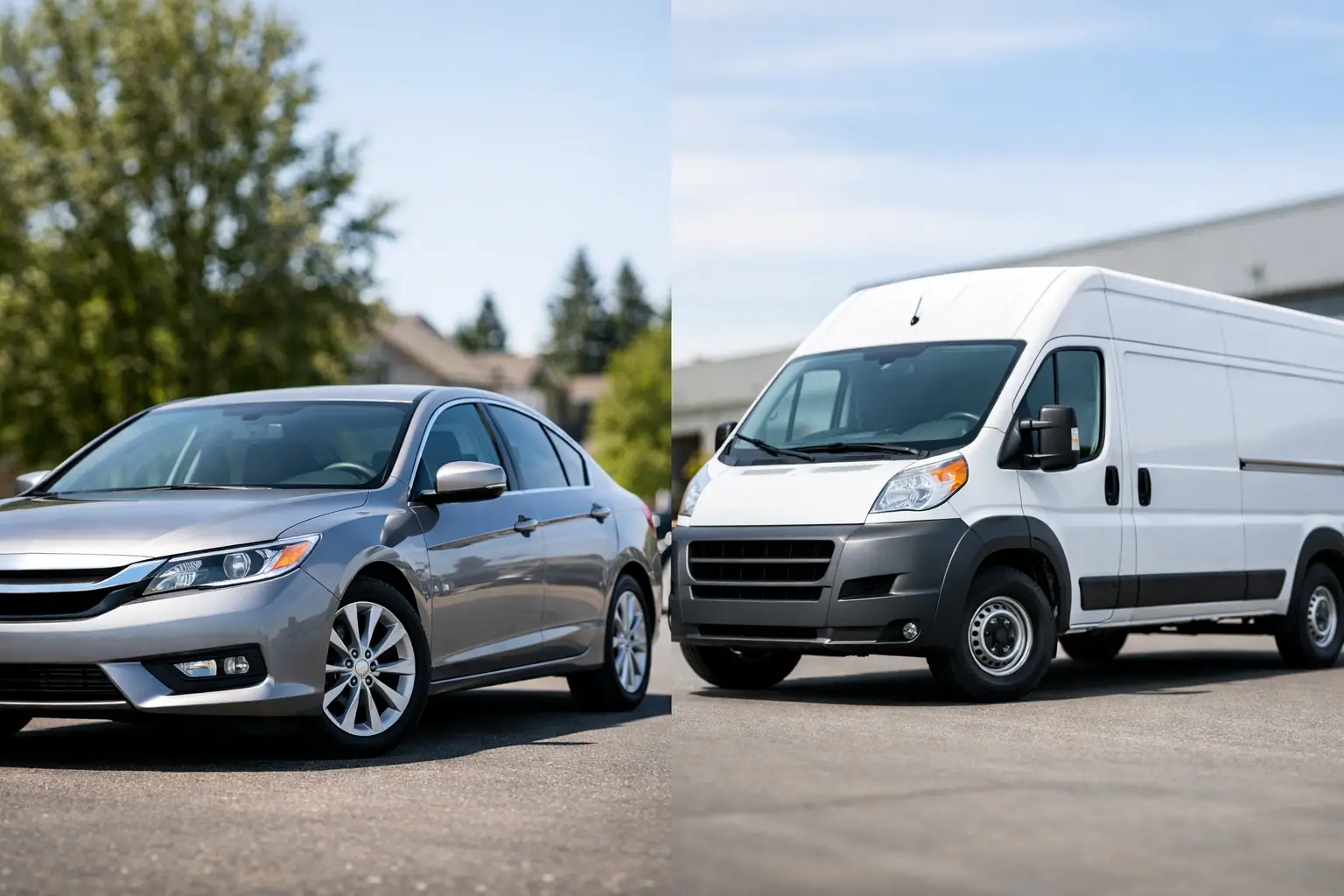
If you use one vehicle to commute, run errands, and occasionally stop at a jobsite, the line between personal auto vs commercial auto can feel blurry fast. That confusion matters most after an accident, when coverage questions turn into claim problems. The right policy is less about what the vehicle looks like and more about how it is used, who is driving it, and what risks ride along every day.
For California drivers and business owners, this decision deserves more than a quick online guess. A contractor with a pickup, a real estate professional driving clients, or a bakery making deliveries may all assume a personal policy is enough. Sometimes it is not. Sometimes a commercial policy is clearly required. And sometimes the answer depends on details that seem minor until they are not.
Personal auto vs commercial auto: what changes?
At a basic level, personal auto insurance is built for private, everyday driving. It is designed for things like commuting, family trips, errands, and other non-business use. Commercial auto insurance is built for vehicles used in connection with a business, whether that means transporting tools, making deliveries, visiting job sites, or carrying employees.
The biggest difference is not simply personal use versus business use. It is the level and type of exposure. Commercial policies are generally structured to account for higher mileage, more time on the road, business liability, multiple drivers, specialized vehicles, and the financial risk that comes with work-related driving.
That is why two drivers with the same SUV may need completely different coverage. One might use it only for school drop-offs and grocery runs. The other might use it to meet clients all day, haul equipment, or deliver products along the Central Coast. Same vehicle, very different insurance picture.
When a personal auto policy may be enough
A personal auto policy often works well when a car is used mainly for household purposes and only incidentally for work. Think of a teacher driving to school, an office employee commuting to work, or someone occasionally stopping by the bank for their employer on the way home.
Many people hear the phrase business use and assume any work connection means they need commercial auto. That is not always true. Commuting is still considered personal use in most situations. A limited amount of incidental driving for work may also fit within a personal policy, depending on the insurer and the exact use.
But this is where assumptions get expensive. If your vehicle is regularly used to meet customers, transport supplies, or perform services for pay, the policy may no longer match the risk. Even if a claim is not fully denied, you may find out too late that the coverage was not designed for how you actually use the vehicle.
When commercial auto is usually the better fit
Commercial auto coverage is typically the right choice when the vehicle is part of how the business operates. If the car, truck, or van helps generate income, supports employees, or carries business property, that is a strong sign you need a commercial policy.
This often applies to contractors, landscapers, cleaners, delivery businesses, mobile service providers, real estate teams, and many other California business owners. It can also apply to sole proprietors who think, understandably, that a personal policy should be fine because they are the only driver. From an insurance perspective, ownership structure matters less than how the vehicle is used.
You should take a closer look at commercial auto if your vehicle is used for regular client visits, jobsite travel, deliveries, transporting tools or inventory, or is titled in a business name. The same is true if employees drive the vehicle or if you need higher liability limits than a personal policy typically offers.
Ownership matters, but use matters more
One common misunderstanding is that a vehicle titled personally must have personal auto insurance, while a vehicle titled to a business must have commercial auto insurance. In practice, title is only part of the story.
A business-owned vehicle will often need commercial coverage because of who owns it and why it exists. But even a personally owned vehicle may need commercial auto coverage if it is used heavily for business purposes. On the other side, not every occasional work errand transforms a personal vehicle into a commercial one.
The better question is this: if there is an accident, will the insurer view that trip as part of business operations? If the answer is yes on a regular basis, a commercial policy is often the safer and more appropriate path.
What commercial auto often covers that personal policies may not
Coverage details vary, but commercial auto policies are generally built with broader business needs in mind. That may include higher liability limits, coverage for employee drivers, protection for vehicles owned by the business, and options for specialized equipment or industry-specific use.
A personal policy may not respond well to a claim involving deliveries, work crews, business signage, or cargo tied to your operations. It may also fall short if multiple employees need to drive the vehicle or if the accident leads to a larger liability claim connected to your business.
For many owners, the value of commercial auto is not just compliance. It is continuity. If a work vehicle is central to your revenue, the policy should reflect that role.
Personal auto vs commercial auto for small business owners
Small business owners often live in the gray area. A self-employed consultant may drive a personal sedan to meetings. A handyman may use a pickup for both family use and paid jobs. A coastal property manager may spend most of the day driving between locations.
These are the cases where the right answer depends on frequency, purpose, and exposure. A vehicle used occasionally for business may still fit under a personal policy with the right disclosures or endorsements. A vehicle used daily for income-producing activity usually points toward commercial coverage.
This is also why price should not be the only guide. Commercial auto often costs more because it covers a different level of risk. Paying less for the wrong policy is not savings if it leaves a gap when you need protection most.
California drivers should be especially careful with delivery and service use
In California, many drivers use personal vehicles for side work, deliveries, and mobile services. That includes catering, floristry, pet care, cleaning, repair work, and countless app-based or independently arranged services. These uses can create coverage issues quickly if the policy was written only for personal driving.
Even when a vehicle seems informal or part-time in its business use, the insurer may still classify that use differently than you do. A few deliveries a week, transporting business supplies, or driving clients can materially change the risk.
For coastal communities, there is another practical issue: many businesses depend on mobility. Service calls, home visits, and local routes are part of daily operations. If your vehicle supports your livelihood, your insurance should reflect the real-world exposure, not the label you would prefer it to have.
How to tell which policy you likely need
Start with honest answers about how the vehicle is used. How often is it driven for work? Does it carry tools, products, or equipment? Do clients or employees ride in it? Is it registered or titled to a business? Would your business be disrupted if the vehicle were out of service after a claim?
If business use is regular, visible, and tied to revenue, commercial auto is often the responsible answer. If the use is limited to commuting and occasional incidental tasks, personal auto may still be appropriate. The hard part is that many situations fall in between, and those in-between cases are exactly where tailored guidance matters.
A local agency that understands California drivers and business operations can help clarify where your current use falls and whether your policy matches it. At Central Coast Insurance, that conversation is meant to protect more than a vehicle. It is meant to protect your day-to-day life, your income, and the confidence that your coverage will respond the way you expect.
The best time to sort out personal auto vs commercial auto is before you need to file a claim. If there is any doubt, ask now. A short coverage review can prevent a long and costly problem later.