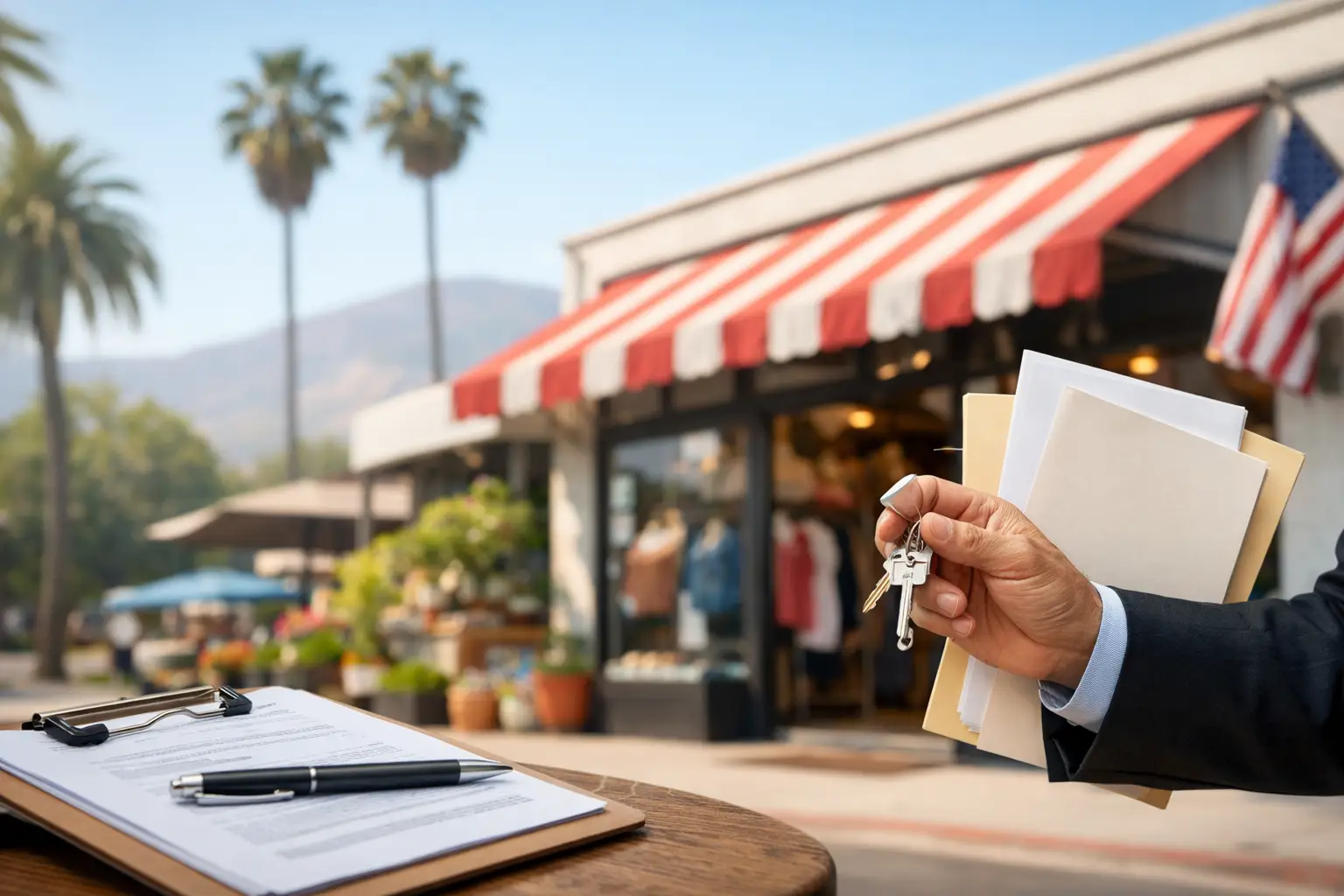
A broken storefront window, a customer slip near the register, or a water leak that damages a weekend shipment can put real pressure on a small retailer. The top policies for small retail stores are designed to protect more than a building or a few shelves of merchandise. They help protect the business income, customer trust, and hard-earned momentum behind your operation.
For California retailers, coverage decisions can be especially personal. A boutique on the Central Coast may face coastal weather, higher property values, seasonal foot traffic, and carrier requirements that differ from those in other markets. The right insurance plan should reflect how you sell, where you operate, what you keep in stock, and who depends on your business each day.
Start With a Business Owners Policy
For many retail shops, a Business Owners Policy, often called a BOP, is the practical starting point. It commonly combines commercial property insurance and general liability insurance in one package, often at a more favorable cost than purchasing each policy separately.
Commercial property coverage can help repair or replace business-owned property after a covered event, such as fire, theft, vandalism, or certain weather-related damage. That may include your point-of-sale system, fixtures, shelving, displays, furniture, and inventory. If you lease your space, do not assume the building owner's insurance protects your improvements or the merchandise inside. Your leasehold improvements and business personal property may still be your responsibility.
General liability coverage addresses a different exposure: claims that your business caused bodily injury or property damage to someone else. A shopper who trips on a loose floor mat or a delivery person injured in your stockroom could bring a claim that includes medical expenses, legal defense costs, and damages.
A BOP is not automatically the right answer for every store. Retailers with valuable inventory, a larger payroll, multiple locations, or specialized operations may need higher limits or separate policies. Still, it is a strong foundation for many independent boutiques, gift shops, florists, specialty food stores, and similar businesses.
Protect Inventory, Equipment, and Your Storefront
Inventory is often the financial center of a retail operation. A standard policy should be reviewed carefully to make sure the property limit reflects what it would cost to replace stock today, not what you paid for it years ago. This matters when supplier prices rise or when seasonal inventory creates a temporary spike in value.
Consider how your merchandise moves, too. A policy may protect property at your premises but offer limited coverage while products are being transported, displayed at a pop-up event, or stored offsite. Retailers that attend farmers markets, festivals, trade shows, or community events may need inland marine coverage for merchandise and equipment away from the store.
Some items require closer attention. Jewelry, collectibles, fine art, wine, electronics, and high-end apparel may have special limits or valuation requirements. A jewelry shop and a beachwear boutique should not be insured the same way simply because both have a retail address.
Storefront coverage deserves the same care. Glass, signage, outdoor displays, awnings, and tenant improvements can be costly to repair. Ask whether your policy includes the limits and endorsements appropriate for the physical features that make your location recognizable to customers.
Business Income Coverage Keeps the Lights On
A covered property loss can force a store to close even when the damage is limited to one area. Business income coverage, sometimes called business interruption coverage, can help replace lost income and support ongoing expenses while repairs are underway after a covered claim.
This coverage can be critical because rent, loan payments, payroll obligations, utilities, and supplier commitments do not necessarily stop when the doors close. It may also help with extra expenses, such as operating temporarily from another location or paying to expedite equipment replacement.
The key phrase is "covered claim." Business income coverage generally follows the causes of loss included in the property policy. Flood and earthquake damage, for example, are commonly excluded unless separate coverage is arranged. California retailers should discuss these gaps directly rather than discovering them after a disruption.
The right waiting period and coverage period depend on your operation. A shop with a loyal local following may recover quickly after reopening. A retailer reliant on holiday traffic or a short tourist season may need more time to make up lost revenue. Your coverage should account for the timing that matters most to your business.
Workers' Compensation Is Essential When You Have Employees
If your retail store has employees, workers' compensation insurance is generally required in California. It can provide benefits for employees who suffer a job-related injury or illness, including medical care and a portion of lost wages. It also helps protect the employer from certain workplace injury claims.
Retail work may look low-risk from the sidewalk, but common injuries include slips, falls, lifting strains, cuts, and repetitive-motion injuries. Backroom stocking, ladder use, unloading deliveries, and long shifts on hard floors can all create exposure.
Accurate job descriptions and payroll estimates matter. Classifying a cashier, stock associate, manager, and delivery driver correctly helps support appropriate pricing and reduces unpleasant audit surprises later. A thoughtful safety routine also helps: maintain clear walkways, train staff on lifting, document incidents, and keep first-aid supplies accessible.
Add Coverage for Vehicles and Deliveries
If your business owns a vehicle for local deliveries, errands, or event setup, commercial auto insurance is usually needed. A personal auto policy may not provide the protection you expect when a vehicle is used principally for business.
Even if employees use their own cars, your store can face liability exposure when they run business errands. Hired and non-owned auto liability coverage can help address claims involving rented vehicles or employee-owned vehicles used for business purposes. It does not replace the driver's personal coverage, but it can protect the business if it is named in a lawsuit.
This is particularly relevant for stores offering local delivery, curbside service, mobile pop-ups, or pickup from suppliers. The more your business extends beyond the storefront, the more important it is to review how vehicles are used.
Do Not Overlook Cyber and Payment Risks
A small retailer may process hundreds of card transactions without thinking of itself as a technology business. But point-of-sale systems, online stores, customer email lists, loyalty programs, and employee records all create digital exposure.
Cyber liability coverage can help with costs related to a data breach, ransomware event, or certain privacy incidents. Depending on the policy, it may support breach notification, credit monitoring, legal expenses, forensic investigation, data restoration, and public relations assistance. Coverage varies widely, so retailers should not assume every cyber policy responds the same way.
Good practices remain essential. Use strong, unique passwords, require multi-factor authentication where available, limit employee access to sensitive data, and keep software updated. Insurance is a valuable backstop, not a substitute for careful operations.
Consider Employment Practices and Umbrella Liability
As a team grows, employment practices liability insurance, or EPLI, becomes worth discussing. This coverage may help defend against certain allegations involving wrongful termination, discrimination, harassment, retaliation, or other employment-related claims. Workers' compensation and general liability policies typically do not address these situations.
An umbrella or excess liability policy can provide additional limits above qualifying underlying policies, such as general liability, commercial auto, and employers liability. It can be a sensible layer for retailers with substantial foot traffic, higher-value locations, delivery activity, or assets worth protecting. Whether it is necessary depends on your exposure, existing limits, and comfort with retained risk.
How to Choose the Right Retail Coverage Mix
The best insurance plan begins with a clear picture of your store. Review your lease, inventory values, payroll, annual sales, vendor agreements, online activity, delivery practices, and any special events you attend. Then identify what a serious interruption would cost, not just what it would cost to replace damaged property.
For coastal California businesses, location can affect both availability and coverage design. Wind, wildfire conditions, distance from fire protection, building construction, and proximity to water can all influence insurer requirements. A policy that looks inexpensive may have a high deductible, narrow cause-of-loss language, or insufficient limits for your actual exposure.
A local insurance advisor can help compare those details in plain language and coordinate policies around your business rather than forcing your business into a generic package. Central Coast Insurance works with business owners who want that kind of attentive, California-focused guidance.
Before your next busy season, take an hour to walk through your store as if a loss had already happened. Look at the inventory, the exits, the customer areas, the backroom, and the information stored in your systems. The gaps you notice now are often the ones that deserve a conversation before they become a claim.