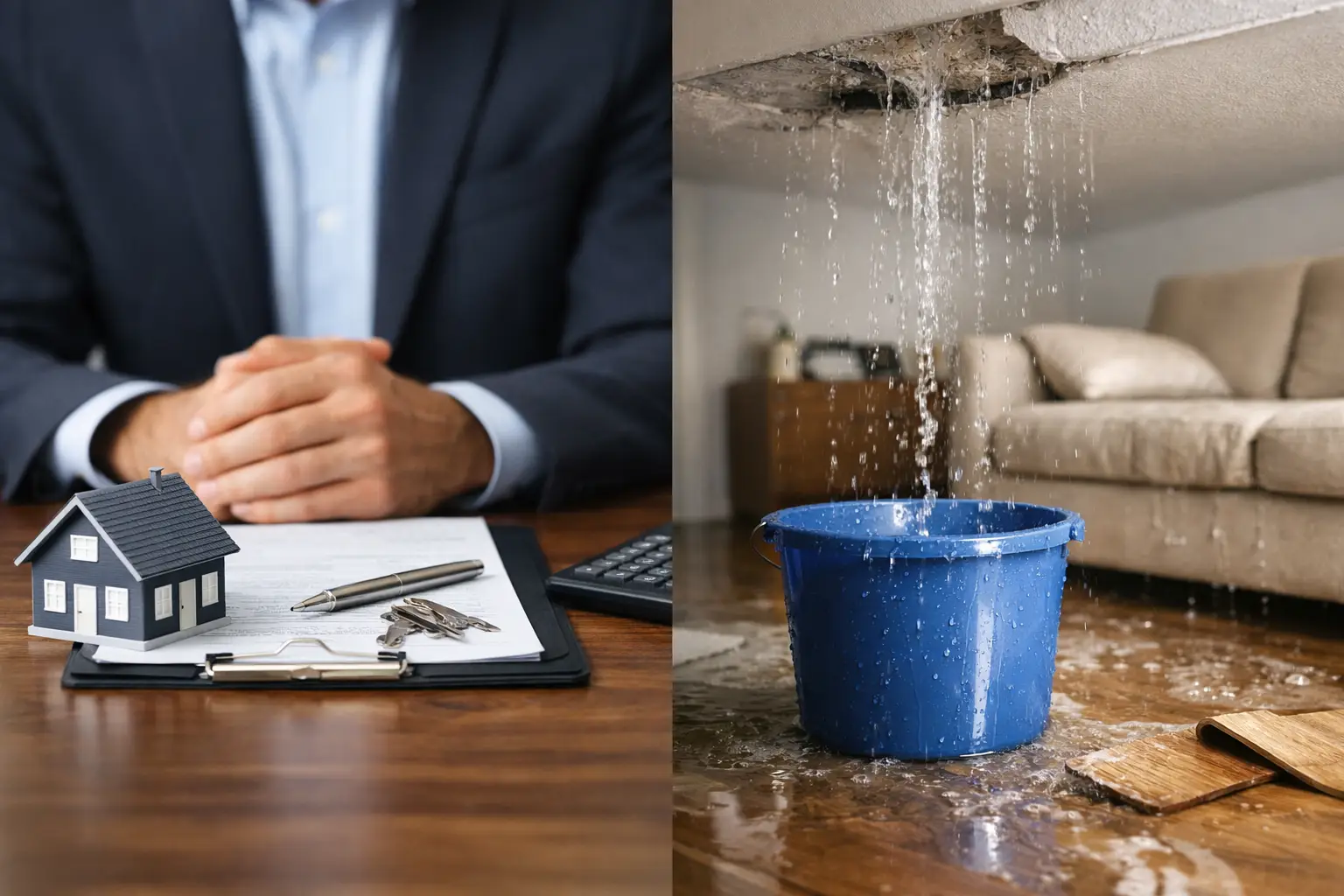
A pipe bursts behind the wall, the kitchen floor starts buckling, and suddenly the question gets very real: what insurance covers water damage, and what is going to come out of your pocket?
The answer depends on how the water got there, how quickly the damage happened, and what policy you actually have. That is where many homeowners get caught off guard. Water damage is one of the most common property claims, but it is also one of the easiest areas to misunderstand.
What insurance covers water damage in a home?
In most cases, homeowners insurance covers water damage when it is sudden and accidental. If a washing machine hose unexpectedly breaks, a pipe bursts, or an upstairs bathroom overflows, your policy will often help pay for repairs to the damaged parts of the home and, in many cases, your personal property.
That does not mean every water problem is covered. Home insurance is designed for unexpected loss, not ongoing maintenance issues. If water damage happened because of long-term neglect, unresolved leaks, or preventable wear and tear, the claim may be denied.
A good way to think about it is this: insurance usually responds well to abrupt events and poorly to slow problems. The line is not always perfect, but that distinction matters.
The cause of the damage matters more than the damage itself
Two homes can have the same ruined flooring and drywall, but one claim may be covered while the other is not. The deciding factor is often the source.
Usually covered water damage
Homeowners insurance commonly covers damage caused by a sudden plumbing failure, accidental appliance overflow, water released from a heating or air conditioning system, or rain entering the home because wind damaged the roof or exterior first.
For example, if a winter storm tears shingles off your roof and rain enters through that opening, the resulting damage may be covered. If the roof was already deteriorated and leaked over time, that is a different situation.
Usually not covered water damage
Flooding from rising water outside the home is generally not covered by standard homeowners insurance. That includes storm surge, overflowing creeks, heavy rain accumulating at ground level, and similar events. Sewer or drain backups are also often excluded unless you added specific coverage. Slow leaks, repeated seepage, and maintenance-related issues are commonly excluded as well.
This is where California homeowners need to pay close attention. Coastal weather, aging plumbing, drainage concerns, and property-specific construction details can all affect exposure. A standard policy may not reflect the real risks around your home unless it has been properly reviewed.
Does homeowners insurance cover hidden leaks?
Sometimes. If a hidden pipe inside a wall suddenly breaks and causes visible damage, your policy may cover the resulting repair to the home. It may even help with tear-out costs needed to access the broken pipe, depending on the policy.
But there is an important trade-off here. Insurance may cover the damage caused by the leak, while not covering the failed pipe itself. And if the leak had clearly been happening over time, the insurer may classify the loss as ongoing deterioration rather than a sudden event.
That distinction frustrates homeowners because the damage can look equally serious either way. From the carrier's perspective, though, insurance is not a substitute for upkeep. The longer a leak appears to have been present, the more scrutiny the claim is likely to receive.
What insurance covers water damage from storms?
Storm-related water damage can be covered, but only under certain conditions. If wind damages part of the structure and water enters as a result, homeowners insurance often applies. If rainwater seeps in because of poor maintenance, old seals, or an unrepaired roof, coverage is less likely.
Flood damage is the major exception. Standard home insurance does not usually cover water that rises from outside and enters the home at ground level. That requires separate flood insurance.
For California property owners, especially in coastal and low-lying areas, this can be one of the biggest gaps in a policy. People often assume flood insurance is only for major disaster zones. In reality, local topography, drainage systems, burn scar areas, and severe weather patterns can all increase flood risk in places that do not seem obvious at first glance.
What parts of the claim may be covered?
When water damage is covered, the policy may help pay for more than one category of loss. That can include repairs to walls, flooring, cabinets, and built-in features. It may also include damaged personal belongings such as furniture, electronics, and clothing, depending on your limits and deductible.
If the home is temporarily unlivable, your policy may also include loss of use coverage, which can help with extra living expenses like hotel stays or temporary housing. That part of the policy can be especially valuable after a major water loss, because drying, remediation, and reconstruction often take longer than homeowners expect.
There are limits, though. Mold cleanup, code upgrades, specialty materials, and high-end finishes may involve sublimits or out-of-pocket costs. Even a covered claim is not always a full reimbursement of every expense.
What about condos, renters, and landlords?
Water damage questions come up across property types, not just single-family homes.
For condo owners, the master association policy and the individual condo policy may share responsibility depending on where the damage started and what part of the property was affected. Interior improvements, personal property, and liability often fall back on the unit owner's policy.
For renters, renters insurance generally covers damaged personal belongings from a covered water event, but not repairs to the building itself. For landlords, dwelling policies may cover certain sudden water losses to the structure, but tenant-caused damage, vacancy issues, and maintenance concerns can complicate the outcome.
This is another reason broad assumptions do not help much. The same water event can create very different coverage results depending on who owns what and which policy is in place.
Common exclusions homeowners overlook
The biggest mistakes usually happen in the gray areas. People know floods are different, but they often miss the smaller exclusions that matter just as much.
A standard policy may exclude or limit sewer backup, water below the surface of the ground, repeated seepage, neglected repairs, and mold resulting from long-term moisture. Some policies also have special rules for vacant homes or second homes.
California homeowners should be especially careful if the property is older, sits near the coast, has custom features, or has had prior water issues. These are all situations where a policy review can uncover weak spots before a claim ever happens.
How to avoid a painful coverage surprise
The best time to ask what insurance covers water damage is before there is water on the floor.
Start by reviewing how your policy defines covered perils, exclusions, and endorsements. Pay attention to whether you have separate protection for flood or sewer backup. Check your dwelling limits, personal property limits, and deductible. If you have made upgrades to the home, confirm your coverage still reflects current rebuild costs.
It also helps to document the condition of your home. Routine maintenance records, plumbing updates, roof inspections, and photos can all support a cleaner claim if something sudden happens. When insurers investigate water losses, evidence of responsible upkeep matters.
If your policy has not been reviewed in a while, this is an area worth revisiting with an advisor who understands local property risks. Central Coast Insurance works with California homeowners who want that kind of tailored guidance, especially in coastal communities where standard assumptions often miss the mark.
If water damage happens, act fast
Your next steps can affect both the damage and the claim.
Shut off the water source if possible. Take photos and video of the affected areas. Protect the property from further damage by moving belongings, starting cleanup, and arranging professional drying if needed. Then report the claim promptly.
Waiting too long can create problems. Insurance companies expect policyholders to mitigate further damage after a loss. If avoidable damage spreads because nothing was done, part of the claim may become harder to recover.
Just as important, keep every receipt and service record. Emergency mitigation, temporary repairs, and housing costs can all become part of the claim discussion.
The real question is whether your policy fits your risk
When people ask what insurance covers water damage, they are often really asking whether their protection matches the way they live and where they live.
That is the right question. Coverage is not only about what is written in a standard form. It is also about whether your home has the right endorsements, whether your limits reflect real rebuilding costs, and whether someone has helped you think through the exposures that are easy to miss.
Water damage claims are stressful enough without learning mid-loss that the protection was too narrow for the property. A thoughtful review now can spare you a much harder conversation later.