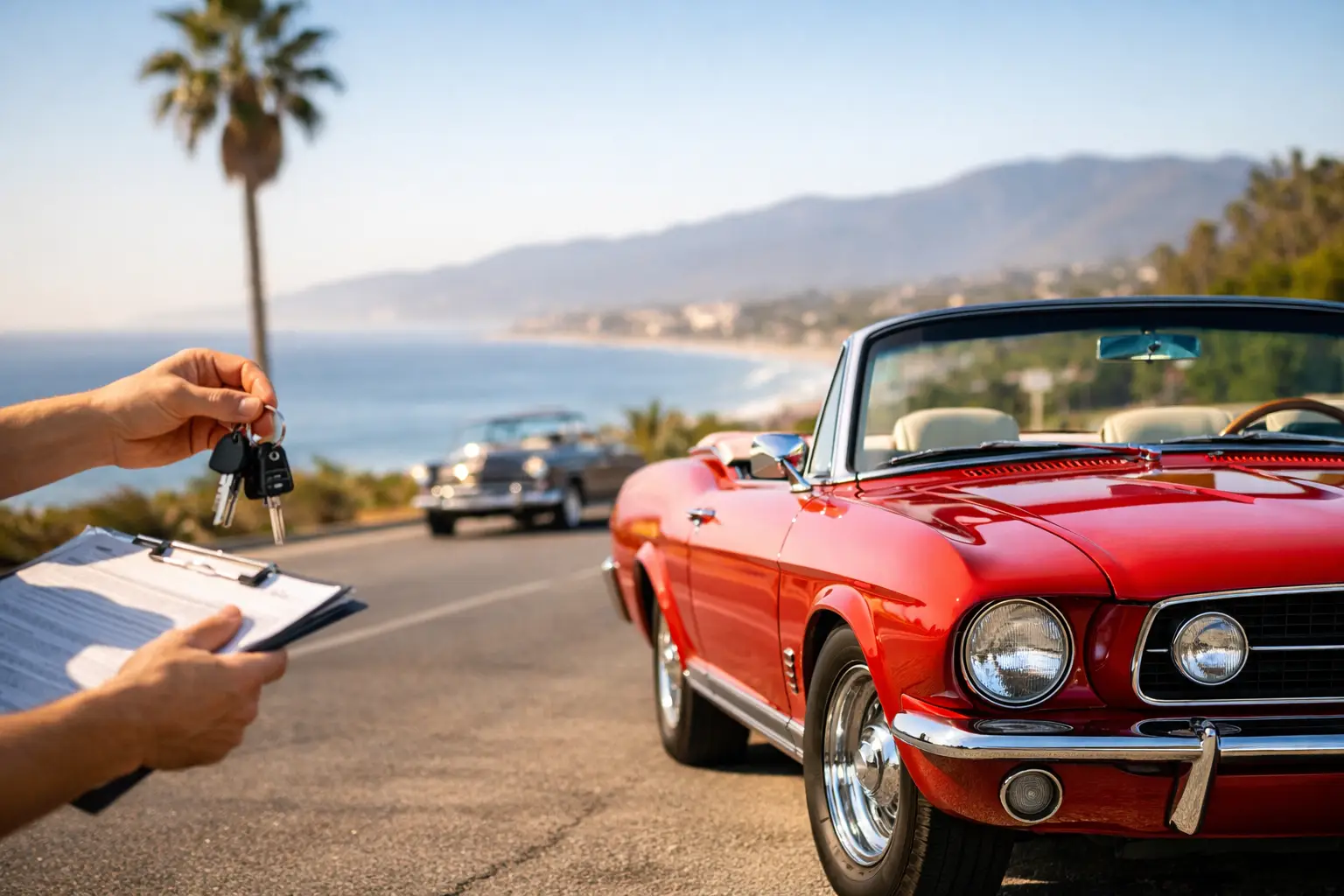
A restored Mustang cruising Highway 1 turns heads for a reason - and it also deserves a very different insurance conversation than a daily driver parked at the grocery store. If you are shopping for classic car insurance California owners can actually rely on, the biggest mistake is assuming a standard auto policy will protect a collector vehicle the same way it protects your commuter car.
That gap matters most after a loss. With a regular policy, claims are often settled using actual cash value, which factors in depreciation. For a classic or collector car, that approach can leave you far short of what the vehicle is truly worth. The right policy is built around the car’s collectible value, how often it is driven, where it is stored, and how carefully it has been maintained.
What makes classic car insurance different?
Classic car coverage is designed for vehicles that are not used like ordinary transportation. That usually means limited mileage, careful storage, and selective use for shows, club events, weekend drives, or occasional pleasure cruising. The policy is meant to protect a vehicle whose value may be rising, or at minimum cannot be measured fairly by normal depreciation tables.
The biggest difference is agreed value coverage. Instead of waiting until a claim happens and debating what the car was worth, the insured value is set in advance. If the vehicle suffers a covered total loss, that agreed amount can become the basis for settlement, subject to policy terms. For owners who have invested years of time and money into restoration, that structure is often the reason collector coverage makes sense.
There are also underwriting differences. Insurers may want to know where the car is garaged, whether you have another vehicle for daily use, your driving history, and how the car is used throughout the year. A beautifully restored 1967 Camaro kept in a locked garage and driven to local events presents a very different risk than a vintage pickup used several times a week for errands.
Who qualifies for classic car insurance in California?
Not every older car automatically qualifies, and not every classic policy fits every owner. In California, eligibility usually depends on the vehicle’s age, condition, rarity, and use. Some insurers are flexible with newer specialty vehicles, while others want a car to meet a more traditional classic or antique threshold.
Condition matters almost as much as age. A vehicle that is restored, preserved, or maintained as a collector item has a stronger case for specialized coverage than an older car with heavy wear and no documented value. Modifications can also affect eligibility. Some custom builds qualify well, especially when they are part of a recognized collector market, but unusual performance changes or nonstandard use can narrow the field.
Usage is where many owners run into surprises. Classic car insurance California carriers commonly expect the vehicle to be a secondary vehicle, not your fallback commuter when the primary car is in the shop. If the car is used too broadly, a standard auto policy or a more specialized hybrid option may be a better fit. It depends on how you actually use the vehicle, not how you hope to describe it.
Why California owners need a more tailored approach
California has one of the strongest collector car cultures in the country, but it also has a risk profile that is not the same from one region to the next. Coastal moisture, wildfire exposure, theft concerns, traffic density, and storage limitations all play into the insurance discussion.
If you live near the coast, salt air and humidity may affect how you store and preserve a collector vehicle. Insurers are not writing a maintenance policy, but they do care about risk conditions and garaging. A vehicle kept in an enclosed, secure garage will usually present differently than one stored under a carport or left exposed for long periods.
Geography also affects how often and where the car is driven. A collector vehicle in a quiet Central Coast community may face a different exposure than one regularly taken through dense urban traffic in Los Angeles or the Bay Area. The point is not that one is always easier to insure than the other. It is that local knowledge helps match coverage to the actual risk instead of relying on assumptions.
How value is set for a collector vehicle
Owners often ask what their car is really worth for insurance purposes. The answer is not always simple, especially if the vehicle has been restored over time, has rare parts, or reflects a mix of original and upgraded components.
With classic car insurance, the value is often supported by documentation. That may include photos, appraisals, restoration records, receipts for parts and labor, and comparable market data. The more clearly the vehicle’s condition and investment can be shown, the easier it is to support the requested value.
That said, higher value is not automatically better. If the agreed value is inflated beyond what the market can reasonably support, the policy may cost more than necessary and create underwriting friction. If it is set too low, you risk being underinsured after a serious loss. A good advisor helps find the number that reflects the car honestly and protects what you have built.
Key coverages to look at in classic car insurance California policies
The foundation still starts with liability, comprehensive, and collision, but the details matter more with collector cars. Comprehensive coverage is especially important because many losses happen when the car is not being driven at all - theft, fire, vandalism, weather damage, or damage in storage.
Agreed value should be reviewed carefully, not just assumed. You also want to ask about spare parts coverage if you keep valuable parts in storage, and whether the policy includes flexible repair options for specialty shops familiar with classic vehicles. Some policies may also offer roadside assistance designed with low-clearance or high-value vehicles in mind.
If the car appears at events, you may also want to consider whether your broader liability picture is strong enough overall. For some owners, that means thinking beyond the vehicle itself and reviewing umbrella coverage or how the classic policy fits with the rest of the household’s insurance plan.
Common mistakes owners make
One of the most common mistakes is buying coverage based on price alone. Collector policies can be competitively priced, especially with limited mileage and strong storage conditions, but the cheapest quote is not always the right fit if it comes with rigid use restrictions or weak valuation terms.
Another mistake is failing to update the policy after improvements. If you install a rebuilt engine, complete a high-end paint correction, or source rare original parts, those investments may need to be reflected in the insured value. Insurance should keep pace with the car, not lag behind it by several years.
Storage assumptions can also create problems. Owners sometimes believe any garage setup is enough, but insurers may distinguish between private enclosed garages, shared storage, commercial facilities, and open structures. Being accurate upfront protects you later.
Choosing the right insurance partner
A classic car deserves more than a quick online form and a generic answer. The better approach is a conversation about how the vehicle is used, how it is stored, what it is worth, and how it fits into the rest of your insurance planning. That is especially true in California, where local conditions and asset values can change the coverage picture quickly.
Working with an agency that understands California exposures can make the process feel much clearer. Instead of forcing your vehicle into a standard auto box, a knowledgeable advisor can help compare policy structures, explain trade-offs, and identify where specialized protection adds real value. For collectors on the coast and throughout the state, that kind of guidance can save frustration before a claim ever happens.
Central Coast Insurance serves clients who want that more personal, tailored approach - not just a quote, but confidence that the vehicle they care about is being protected the right way.
If you own a classic car, the goal is not simply to insure an older vehicle. It is to protect years of restoration, pride of ownership, and the freedom to enjoy the car with fewer questions hanging over every drive.